

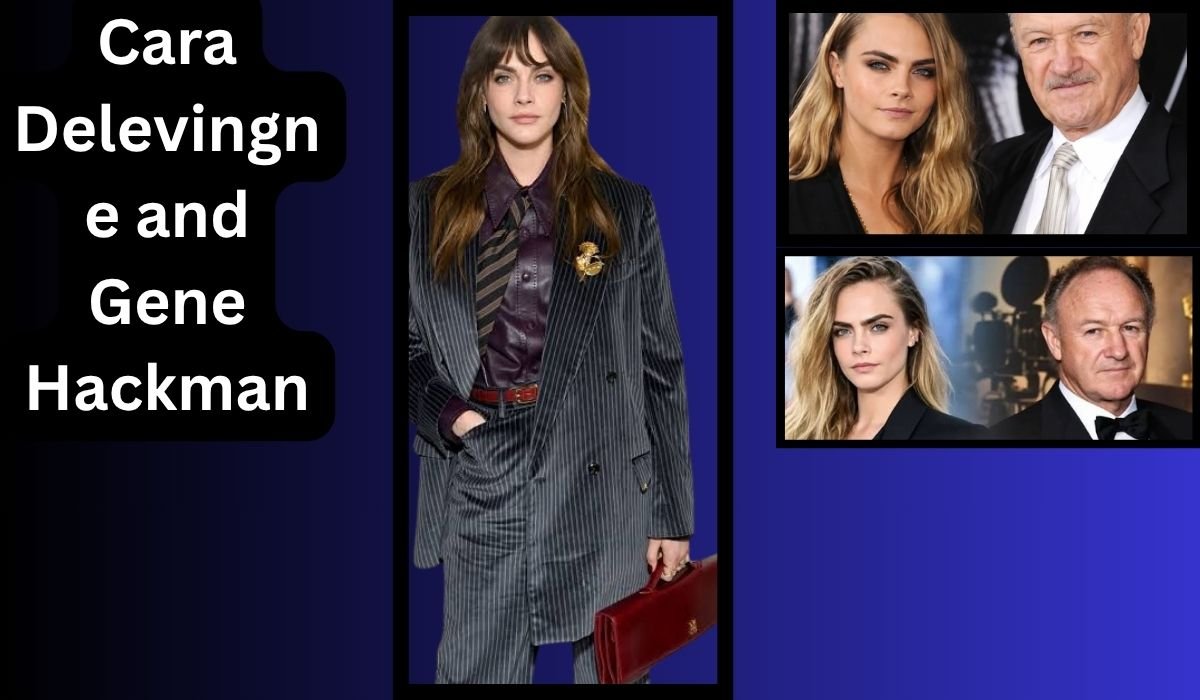
Cara Delevingne and Gene Hackman come from different worlds, yet both show how one face can hold a whole room. This piece treats Cara Delevingne vs Gene Hackman as a fun test of modern vs classic Hollywood actors, and looks at what each path teaches us about acting.
Hackman passed away in 2025, and his work still sets a high bar. Delevingne keeps pushing past her runway fame. Together, they offer a clear look at two generations of screen charisma, and at how real screen power gets built, tested, and kept alive.
Analyzing Screen Presence and Performance Styles
Screen presence is the pull an actor has before they say a single word. Some people just own the frame. Hackman did it through stillness, while Delevingne does it through energy, humor, and attitude.
So what is screen presence, really? It’s a mix of focus, timing, and honesty. Different performance styles can create the same pull, and that pull is what gives a scene its cinematic impact.
- Focus keeps the actor locked into the moment.
- Timing makes pauses feel earned.
- Honesty stops a scene from feeling staged.
- Styles can differ while the effect stays the same.
Read More: Bob Chapek and Natalie Portman: Their Connection, Careers & Personal Lives
Projecting Modern Energy and Edge
The Cara Delevingne acting career grew out of a loud, playful public image. Her supermodel persona came first, built on high fashion photography for big houses like Burberry and Chanel. That fame gave her a head start, but it also set a tough test.
She began with a small part in Anna Karenina, then moved on to bigger roles in Paper Towns and Suicide Squad. Her social media following kept her visible between films. Her public magnetism also helped producers see a name people already cared about.
Her dramatic acting shows best in smaller films, where she gets room to be quiet and messy. Her edge works because she doesn’t hide it. She leans into the attitude, then lets a few cracks show.
| Trait | Cara Delevingne | Gene Hackman |
|---|---|---|
| Main energy | Bold, playful, restless | Steady, guarded, heavy |
| Starting point | Runway and magazines | Stage and small TV parts |
| Best known for | Paper Towns, Suicide Squad | The French Connection, Unforgiven |
| Strength on screen | Edge and charm | Weight and truth |
Mastering the Art of Nonverbal Communication
The Gene Hackman acting style relied on small choices. He could turn a whole scene with a glance. Nonverbal communication in acting was his main tool, and he used it with care.
Watch The Conversation and you’ll see micro expressions in acting at work. A twitch near the eye, a held breath, a quick look away. His body language said what the script left out.
Many Gene Hackman performances carried psychological depth without big speeches. As Little Bill in Unforgiven, he showed understated menace. His voice stayed calm, his smile stayed friendly, and then the room went cold.
His Gene Hackman antiheroes, like Popeye Doyle, were hard to like but impossible to ignore. Delevingne uses her face and posture in a looser way. Her years of posing taught her how to read a camera.
Sustaining Longevity in a Fickle Industry
A hot start doesn’t guarantee a long run. Acting career longevity comes from smart choices, patience, and a willingness to be seen as more than one thing.
Veteran actors like Hackman lasted for decades by working often and staying curious. Rising stars have a harder job, since attention moves fast and people judge quickly.
- Pick scripts for the role, not just the paycheck.
- Stay visible without being everywhere.
- Build a name for versatility.
- Keep learning from directors and co-stars.
Choosing Projects That Challenge Expectations
The simplest answer to how to avoid typecasting is to say yes to parts that surprise people. Hackman moved from crime thrillers to comedies like Get Shorty and family dramas like The Royal Tenenbaums. He was one of those actors who switch genres without losing his own voice.
Delevingne has taken creative risks too. After big studio work, she chose indie roles such as Her Smell. She also took supporting roles where she could study stronger leads and learn from them.
Those challenging roles don’t always pay off at the box office. Still, they build trust with directors, and trust leads to better offers. A TV lead in Carnival Row also gave her space to show range over many hours.
| Career move | Why it helps | Example |
|---|---|---|
| Switch genres | Breaks the pattern | Hackman in The Royal Tenenbaums |
| Take supporting parts | Learn from strong casts | Delevingne in Her Smell |
| Try indie work | More freedom | Small films with bold directors |
| Take a TV lead | Shows range over time | Carnival Row |
Navigating Critical Rejection and Praise
Critical rejection and praise both come with the job. Delevingne took hits for blockbusters like Suicide Squad and Valerian, and some reviewers brushed her off as a famous face. That kind of label can stick if an actor doesn’t answer it with better work.
Hackman had his share of misses too. Yet his name stayed trusted because the performance was almost always solid, even in weak films. He won two Oscars, one for The French Connection and one for Unforgiven, and that praise came after years of steady work.
Crossover success isn’t one big hit. It’s a run of projects that makes people drop the first label. For Delevingne, every smaller film and every TV season adds one more reason to see her as an actor first.
Impact on Industry Standards and Casting Trends
Hollywood casting trends shift with money, fame, and audience taste. Studios now care about a name’s reach as much as a résumé, and that changes who gets the call.
The old studio system shaped actors from day one. Today’s industry standards are looser, but they still reward anyone who can prove they carry a film.
- Fame and talent now get weighed together.
- Social reach counts in pitch meetings.
- Strong auditions still win roles.
- Reviews and ticket sales both matter.
Merging Global Fame With Acting Credibility
Models becoming actors isn’t new, but it’s more common now. How models become actors usually starts with small parts and a lot of auditions. A model turned actor has to prove the camera likes more than the cheekbones.
Cara Delevingne from model to actress is a good case study. Her commercial clout helped studios sell her to the public. Still, casting directors want to see real work in the room, and no follower count replaces that.
Box office pressure shapes things too. In major studio releases, top billing often goes to people who sell tickets. A famous face can help land the part, but the performance has to hold up once the cameras roll.
| Factor | What it means | Who it helps |
|---|---|---|
| Fame | A built in audience | Models and pop names |
| Audition | Proof of skill | Every actor |
| Past work | Shows range | Seasoned actors |
| Fit | Matches the story | Character performers |
Redefining the Traditional Leading Role
The old Hollywood hierarchy put handsome stars on top and everyone else behind them. The character actor vs leading man split was clear. Hackman broke it. In 1970s film acting, he showed an ordinary looking man could carry American cinema.
He was in his forties when The French Connection came out. His flawed characters felt real, and audiences trusted them. They made mistakes, lost their tempers, and still held your attention.
Today the leading man vs character actor line is blurry. Streaming and franchises let more types of people take the lead. Delevingne fits that shift. She can headline a series, then step back and support someone else.
Tracing the Evolution of Cinematic Icons
Cinematic icons aren’t born in one film. They’re made over years of choices, risks, and a few lucky breaks. The path looks different for each generation, but the goal stays the same.
A new wave of performers now arrives with followers and fashion deals, while older stars built their names in theaters. Both routes can lead to real Hollywood screen power, if the work holds up.
- Icons repeat strong choices.
- Fame can start anywhere.
- Time tests every reputation.
- Audiences notice honesty fast.
Embracing Raw Grit and Authenticity
Hackman’s raw grit came from playing people who felt lived in. He never seemed to chase the audience. His authenticity made even a villain feel human, and that’s why his scenes still land today.
Delevingne is moving toward the same goal from another side. She started with polish and spectacle. Now she’s choosing parts that let her look tired, angry, or lost. That’s a smart step, because audiences can tell when an actor stops performing and starts feeling.
The gap between classic and modern routes is easy to see side by side.
| Era | Typical route | Key quality |
|---|---|---|
| Classic | Stage, TV, character parts | Realism |
| Modern | Runway, social media, film | Visibility |
| Shared goal | Honest, lasting work | Trust from viewers |
Transitioning From Runways to Soundstages
Moving from a runway to a soundstage means learning a new set of rules. A model learns to sell a look in a single frame. An actor has to build a person across two hours, and that takes training, patience, and a thick skin.
Among UK actors, Delevingne took an unusual road. Fans of Felicity Jones movies know that many British stars begin on stage or TV before they reach film. Delevingne began in fashion, then learned the craft in public, with all the pressure that brings.
Hackman’s later years show where that road can lead. He retired in 2004, but his work still teaches new actors about restraint and truth. If Delevingne keeps taking real risks, her screen power can grow in the same quiet, lasting way.
FAQs
What makes Gene Hackman’s acting style stand out?
He used stillness, small glances, and quiet menace instead of big speeches. His characters felt flawed and real, which made them easy to believe.
How did Cara Delevingne move from modeling to acting?
She started with small film roles after her fashion career took off. Then she added bigger studio parts, indie films, and a TV lead to prove her range.
What is screen presence in acting?
It’s the pull an actor has on camera, even without dialogue. Focus, timing, and honesty all help create it.
How can actors avoid typecasting?
They can take roles that surprise people and switch genres when the chance comes up. Mixing indie films, supporting parts, and TV work also helps.
Why do studios cast models as actors?
Models often bring a built in audience and strong social reach. Casting directors still want real acting skill before they give the role.
Conclusion
Cara Delevingne and Gene Hackman prove that screen power has more than one path. Hackman earned his through restraint, truth, and decades of steady work. Delevingne is building hers by taking risks and learning in public.
The lesson is simple. Fame can open a door, but only strong performances keep it open. Whether it’s a classic star or a new face, audiences remember honest work, and that’s what lasts.

Noah Evans is a content writer who creates clear, informative, and engaging articles on a variety of topics. He is dedicated to providing accurate and valuable information for readers.